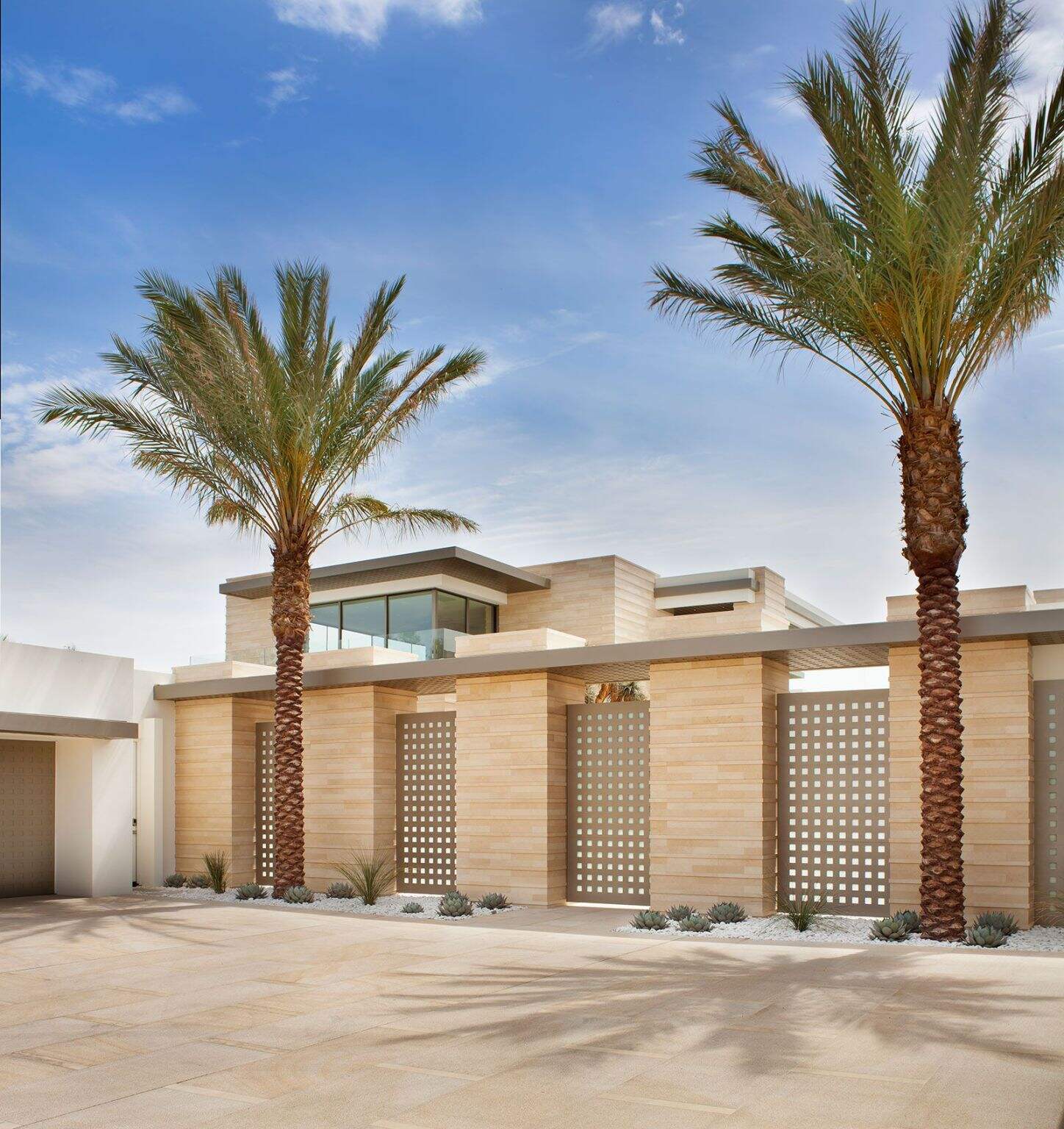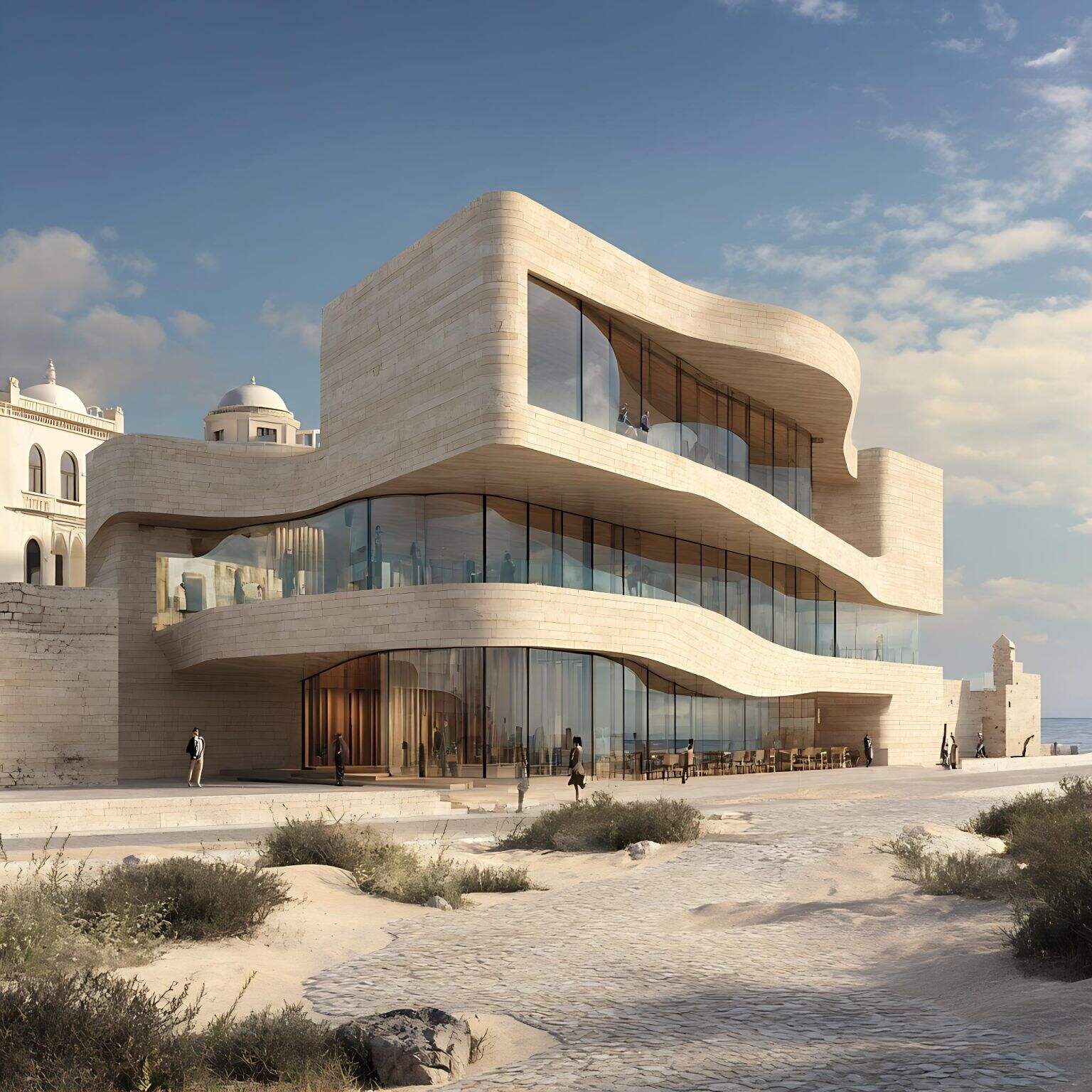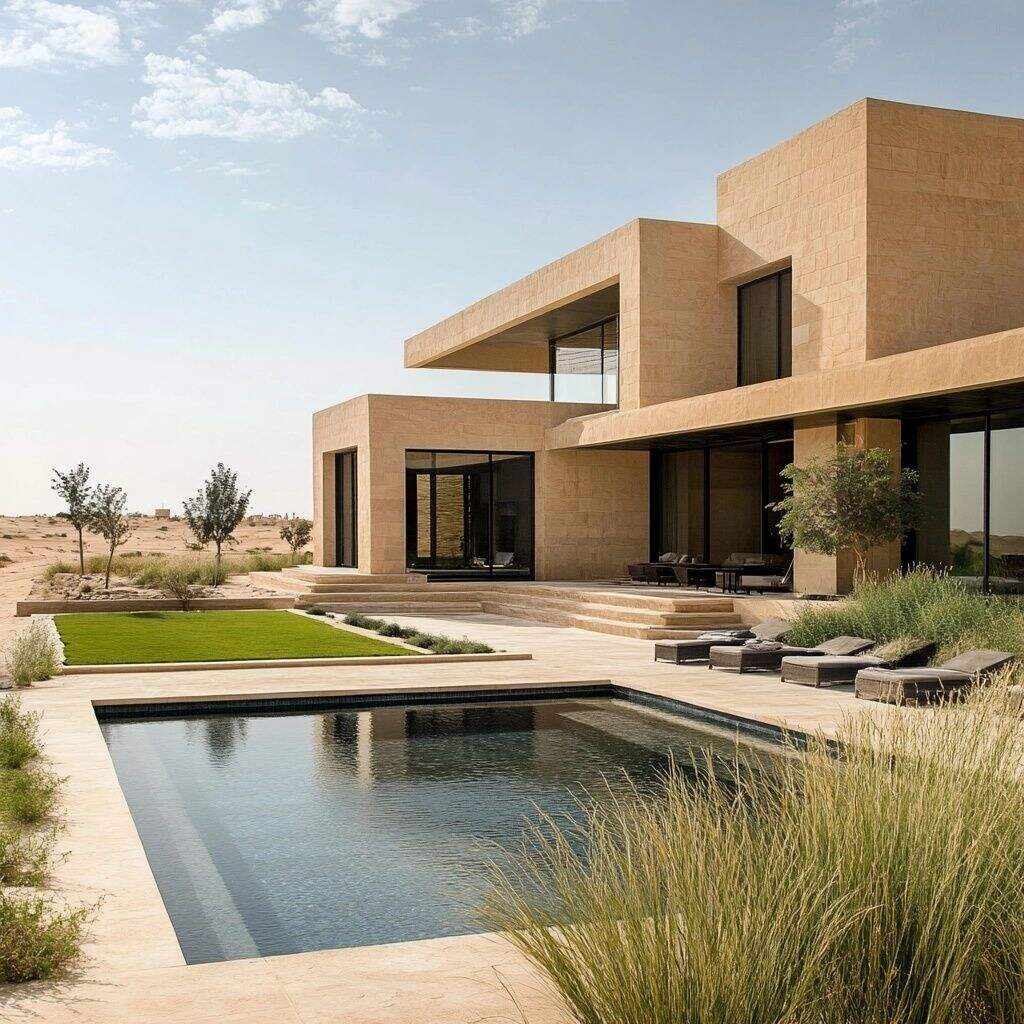
Built for Middle East Climate: Heat, UV and Moisture Resistance
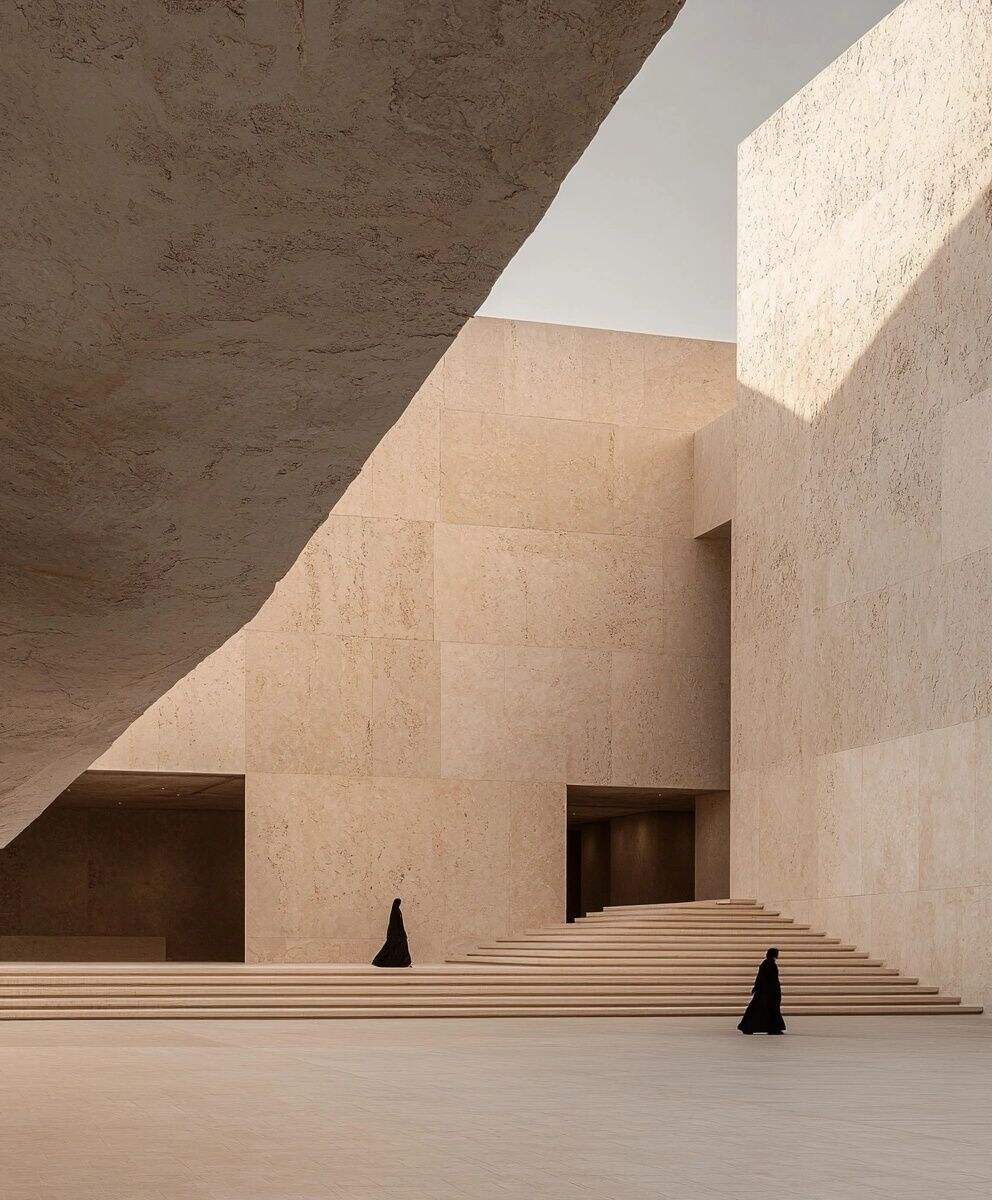
Across the Middle East, facade systems are exposed to some of the most demanding environmental conditions in modern construction.
Long periods of extreme heat, intense solar radiation, high UV exposure☀️, coastal humidity in Gulf cities🏖️, and significant day–night temperature differences 🌡️all contribute to continuous thermal stress on building envelopes🏢.
In such conditions, facade durability is not defined by surface appearance alone, but by how the material behaves at a structural level over time.
❗️Many conventional systems rely on bonding different material layers together. However, when materials with different thermal expansion behaviors are combined, long-term exposure to heat cycling can create internal stress, which may lead to issues such as deformation, loss of adhesion, or surface instability.
💡Our material approach focuses on structural integration rather than lamination. The decorative surface and the base body are formed as a single, continuous structure, eliminating weak interfaces between different materials. This improves dimensional stability under thermal movement and enhances long-term facade reliability.
In addition, the inorganic micro-crystalline structure provides inherent resistance to heat, UV exposure and moisture, making it suitable for both inland desert climates and coastal environments across the region.
For facade design in the Middle East, performance begins at the material level—not at the surface finish.
مصمم لبيئات الشرق الأوسط: مقاومة للحرارة والأشعة فوق البنفسجية والرطوبة
تشهد دول منطقة الشرق الأوسط ظروفًا مناخية تعد من بين الأكثر تحديًا في قطاع البناء الحديث.
ففترات الحرارة العالية المستمرة، والإشعاع الشمسي القوي، ومستويات الأشعة فوق البنفسجية المرتفعة، والرطوبة في المدن الساحلية، بالإضافة إلى الفروقات الكبيرة بين درجات الحرارة ليلًا ونهارًا، جميعها تؤدي إلى إجهاد حراري مستمر على أنظمة الواجهات.
في هذه الظروف، لا يعتمد أداء الواجهة على المظهر السطحي فقط، بل على سلوك المادة على المستوى البنيوي مع مرور الوقت.
تعتمد العديد من الأنظمة التقليدية على ربط طبقات مواد مختلفة معًا. ولكن عند اختلاف معاملات التمدد الحراري بين هذه المواد، فإن التعرض المستمر لدورات الحرارة قد يؤدي إلى إجهاد داخلي، مما قد يسبب مشاكل مثل التشوه أو ضعف الالتصاق أو عدم استقرار السطح.
أما نهجنا فيعتمد على التكامل البنيوي بدلاً من التراكيب الطبقية. حيث يتم تشكيل الطبقة الزخرفية مع الجسم الأساسي كوحدة واحدة متصلة، مما يلغي نقاط الضعف الناتجة عن التداخل بين مواد مختلفة، ويحسن الثبات الأبعادي تحت تأثير التغيرات الحرارية.
كما يوفر الهيكل الميكروبلوري غير العضوي مقاومة طبيعية للحرارة والأشعة فوق البنفسجية والرطوبة، مما يجعله مناسبًا للبيئات الصحراوية الداخلية والمناطق الساحلية في مختلف دول المنطقة.
في تصميم الواجهات في الشرق الأوسط، يبدأ الأداء الحقيقي من مستوى المادة، وليس من السطح الخارجي.